

What Is Stand Up Paddle Boarding (SUP)? Complete Guide
Stand up paddle boarding has become one of the most popular water activities for both beginners and ocean lovers. You’ve probably seen people gliding calmly across the water with a paddle in hand, and honestly, it looks just as relaxing as it feels.
But many people still ask, what is stand up paddle boarding exactly? The good news is that SUP is much easier to learn than most people expect, making it perfect for anyone who wants to try a fun water activity without needing advanced skills. Here’s everything you need to know before trying it for yourself.
What Is Stand Up Paddle Boarding (SUP)?
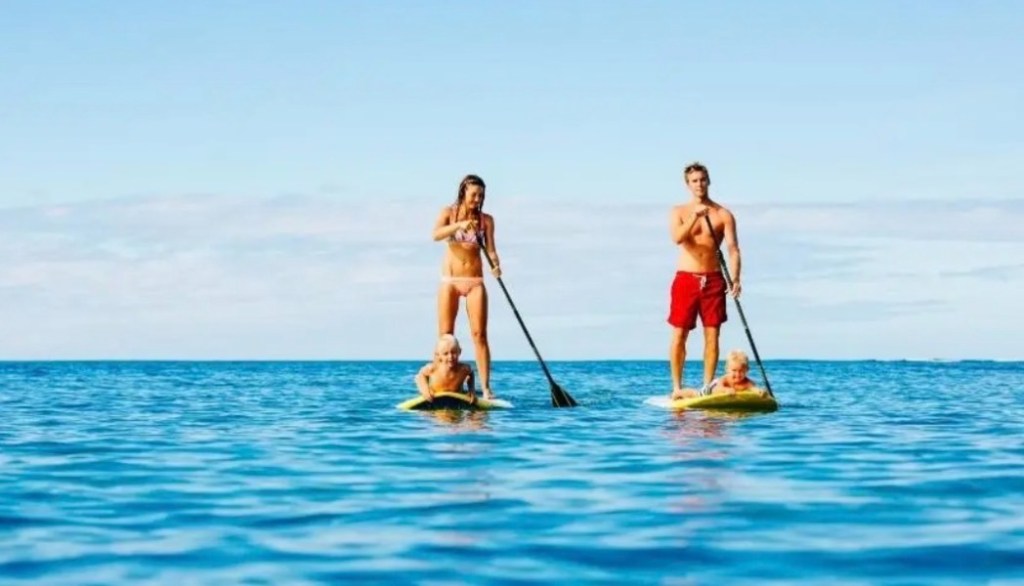
So, what is stand up paddle boarding? It’s a water activity where you stand on a large board and use a paddle to move across the water. Unlike surfing, SUP doesn’t always need waves, which is why a lot of people enjoy doing it on calm beaches, lakes, or even lagoons.
The board is usually bigger and more stable than a regular surfboard, making it much easier for beginners to balance and enjoy right away. What makes SUP so popular is that it feels both fun and relaxing at the same time. Some people use it for slow paddling by the beach, while others turn it into a workout, yoga session, or even a way to explore the coastline. That flexibility is exactly why so many people get interested in stand up paddle boarding in the first place, it’s easy to try, beginner-friendly, and works for all kinds of travel styles.
Why Do Many People Try SUP?
One reason people get interested after asking what is stand up paddle boarding is because it’s surprisingly easy to start. Unlike some water sports, SUP is beginner-friendly and many people can learn the basics in just one session. Another reason people love it is the flexibility. It can be calm and relaxing during a sunrise paddle, or turn into a fun workout or ocean adventure. And once you’re actually out on the water, it creates a calming feeling that’s hard to explain until you experience it yourself.
What Equipment Do You Need?
Getting started with SUP is actually much simpler than many people expect, which is also why so many beginners become interested after knowing what stand-up paddle boarding is in the first place. The main equipment you need includes:
- A stand up paddle board
- An adjustable paddle
- A leash for safety
- Comfortable swimwear or lightweight clothing
- A life vest if required in certain areas
For beginners, using the right board makes a huge difference. If you are still learning about stand up paddle boarding, renting is often the easiest way to learn because you can test different board styles without needing to buy equipment immediately. But if you plan to shop stand up paddle boards make sure you choose the right one.
What Kind of Board Is Best for Beginners?
The question often starts with what is stand up paddle boarding, but once you become interested, it usually shifts to what kind of board is actually best for SUP? If you’re just starting out, stability matters far more than speed or performance. That’s why wider and longer boards are usually recommended for beginners, since they feel more balanced and easier to stand on while learning.
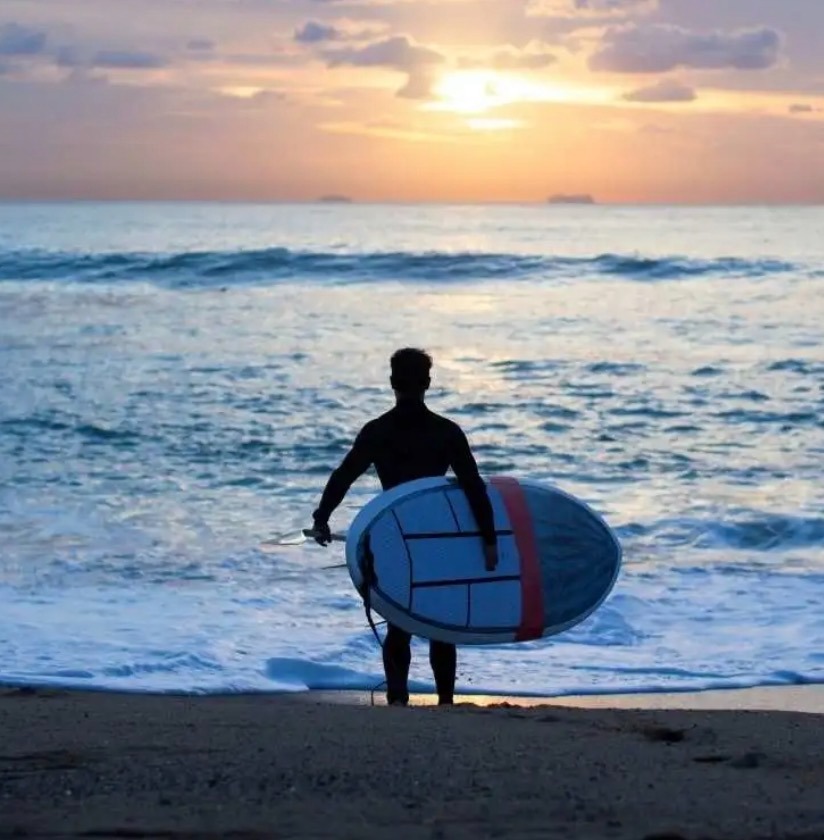
Most first-timers start with what’s called an all-around SUP board. These boards are designed to work well in different water conditions, making them perfect for learning without feeling too unstable or difficult to control. As you get more comfortable, you can always explore more specific boards for things like racing, surfing, touring, or even yoga SUP. If you are still trying to understand what is stand up paddle boarding, picking a wide, stable board makes the whole learning process a lot easier and way more fun.
How Do You Actually Start on the Water?
Your first SUP session is usually much easier when you focus less on being perfect and more on just getting comfortable on the board. Most beginners start by kneeling first, then slowly standing up once they feel more balanced and stable.
Here are a few simple beginner tips that can really help:
- Start in calm water conditions
- Keep your knees slightly bent for better balance
- Look forward instead of looking down
- Paddle slowly and consistently
- Don’t rush to stand up too quickly
And honestly, falling into the water is completely normal, almost everyone does it at least once while learning. The good thing is that most people improve way faster than they expect after just a little bit of practice.
Why Bali Is a Great Place to Try Stand Up Paddle Boarding
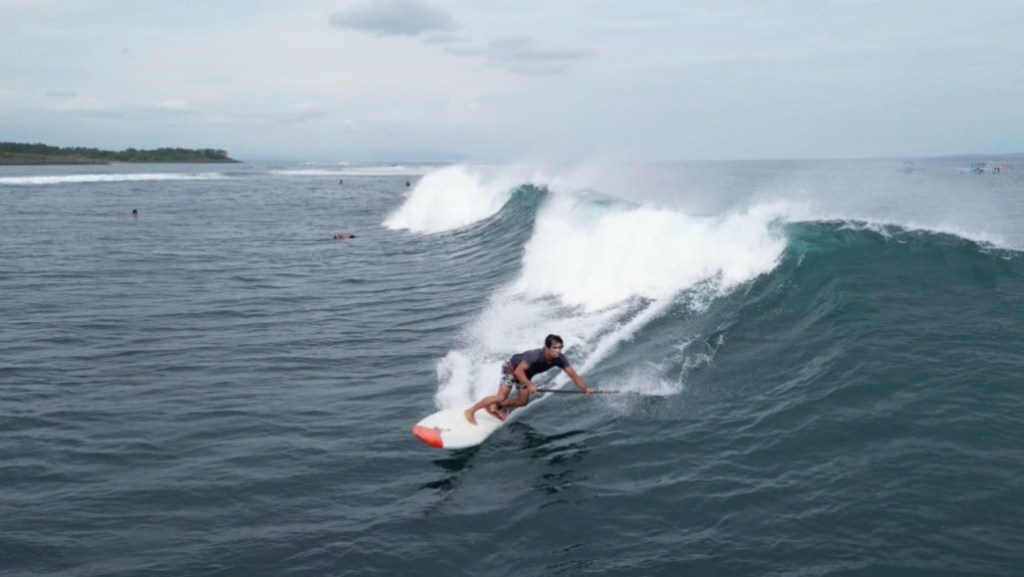
For those of you who are still curious about what is stand up paddle boarding, Bali offers one of the easiest and most enjoyable places to try it for the first time. Bali has great weather, and even though it is famous for big surf, it actually has some really good calm spots if you know where to go. It is a solid place to try it out for the first time because you can easily find low-pressure areas that are flat enough to handle while you learn. Bali also has a growing SUP community, so finding lessons, rentals, or beginner guidance is pretty easy. It is a great, low-pressure option if you want to try paddle boarding for the first time. You get to learn something new on the water without the whole experience feeling intense or overly complicated.
Want to Try SUP in Bali Before You Commit?
Not every water activity needs a big commitment at the beginning, and SUP is one of them. If you are still wondering what is stand up paddle boarding actually feels like, starting with rentals can be the perfect way to explore it without pressure.
If you are looking for SUP board rentals Bali, Priority SUP provides beginner-friendly gear that is easy to use no matter your skill level. By renting it will allow you to practice the basics, test different boards, and find the style that feels right before deciding to eventually buy stand up paddle boards for yourself. So what are you waiting for? The best way to understand SUP is simply by getting out on the water and trying it for yourself.
