

Why More People Are Trying Paddle Boarding for Fitness
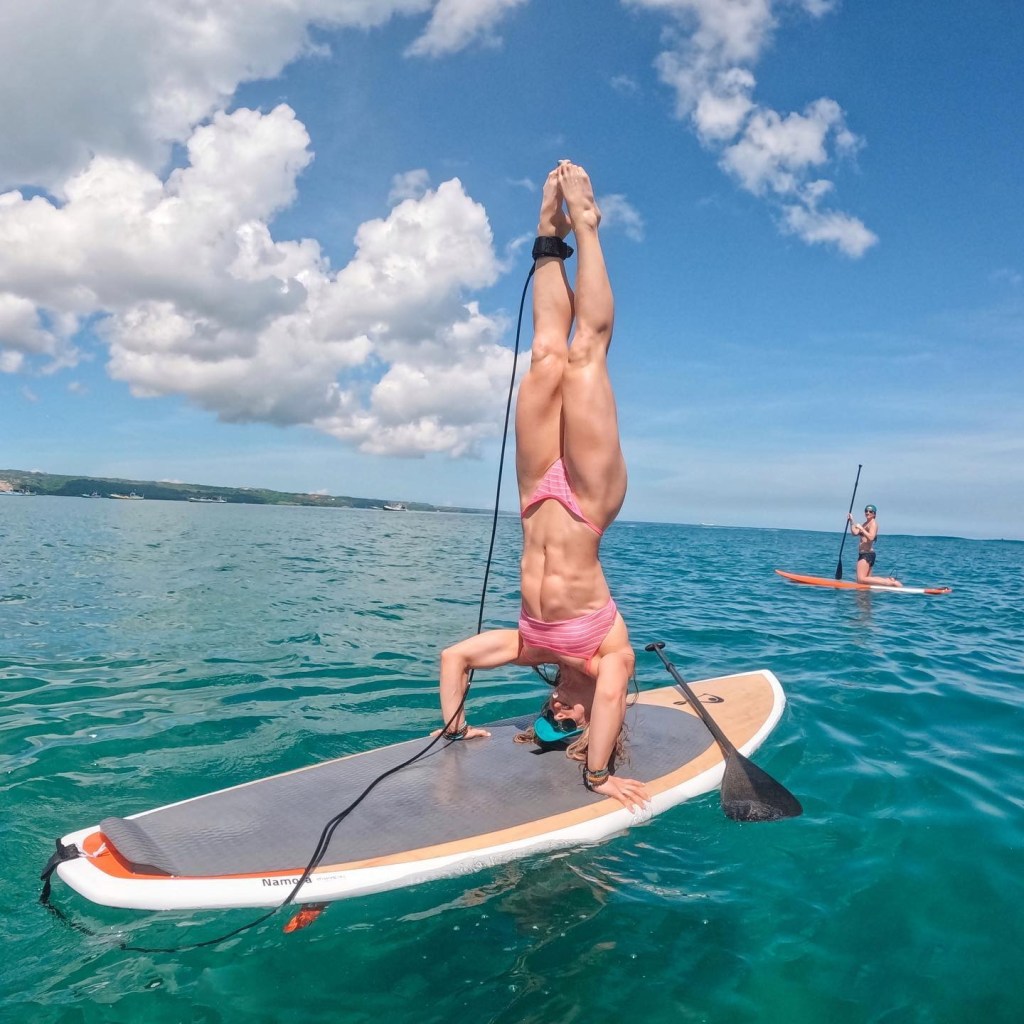
Looking for a fun way to stay active in Bali? Paddle boarding for fitness lets you exercise while enjoying the sunshine and beautiful ocean views. Stand-up paddleboarding (SUP) combines paddling, balance, and movement to work your core and build endurance. You can start at your own pace and gradually improve your fitness while enjoying time on the water.
Why Paddle Boarding Is More Than Just Fun
Paddleboarding offers more than a pretty ocean view, because every stroke asks your body to coordinate movement, maintain balance, and keep the board moving forward. When you try paddle boarding for fitness, you get a workout that combines physical effort with an outdoor experience that can feel refreshing rather than repetitive. It can also be a welcome change from familiar exercise routines, particularly if you enjoy being near the water. Here are a few reasons to give it a try.
- A full-body movement experience: Paddling engages your upper body while your core and lower body help you stay stable on the board. The intensity depends on how long and how actively you paddle.
- Time outdoors: Being out on the water gives you a change of scenery and a chance to disconnect from everyday distractions.
- An adaptable activity: You can begin with short, relaxed sessions in suitable conditions and gradually increase your duration as your confidence improves.
What Makes Paddle Boarding a Good Workout?
One of the main benefits of paddle boarding for fitness is that it combines cardio and muscle work. Paddling at a steady pace raises your heart rate and gets your body moving. Your arms and shoulders guide the paddle, while your core helps power each stroke. Your legs also work to keep you balanced on the board.
Paddle boarding for fitness engages several muscle groups as you paddle and adjust to the water. It also helps improve coordination and muscular endurance over time. The effort depends on your pace, distance, and water conditions. A gentle paddle offers a lighter workout than a longer, more intense session.
Which Muscles Does Paddle Boarding Work?
When you practise paddle boarding for fitness, several muscle groups work together to keep you moving and balanced. Your shoulders, arms, and upper back contribute to controlling and moving the paddle, while your abdominal and back muscles help stabilize your torso during rotation. Your legs also remain active as you adjust your stance to accommodate small movements on the water. Rather than isolating one muscle group, paddleboarding combines pushing, pulling, rotation, and balance.
- Core muscles: Your abdominals, obliques, and back muscles help stabilize your trunk while you paddle. Rotating your torso through each stroke involves the muscles around your midsection, making controlled technique more important than simply paddling harder.
- Shoulders, arms, and upper back: Your shoulders guide the paddle, your arms help control it, and your upper-back muscles contribute to the movement. Using coordinated torso rotation instead of relying entirely on your arms can make paddling feel more efficient.
- Legs and hips: Your quadriceps, calves, and muscles around your hips help you maintain a stable stance and make small balance adjustments. Soft knees and a comfortable foot position allow you to respond to movement without becoming unnecessarily tense.
Can Paddle Boarding Improve Your Fitness and Endurance?
One of the main benefits of paddle boarding for fitness is that it combines cardio and muscle work. Paddling at a steady pace raises your heart rate and gets your body moving. Your arms and shoulders guide the paddle, while your core helps power each stroke. Your legs also work to keep you balanced on the board.
SUP engages several muscle groups at once as you paddle and adjust to the water. It also helps develop coordination and muscular endurance over time. The effort depends on your pace, distance, and water conditions. A gentle paddle offers a lighter workout than a longer, more intense session.

How to Make the Most of Your Paddle Workout
A little planning can make paddle boarding for fitness easier and more enjoyable for beginners. Start with a stable board, the right paddle, and calm water. Practise basic paddling before trying longer sessions. Always check the weather, tides, and safety requirements before heading out.
As you gain confidence, gradually increase your paddling time and speed. For paddle boarding for fitness, maintain a steady rhythm, good posture, and controlled breathing. Take breaks, drink enough water, and use sunscreen to protect yourself from the sun. Here are some simple tips to help you get started:
- Warm up first: Spend a few minutes walking and gently moving your shoulders before getting on the board.
- Start with short sessions: Begin with around 15–20 minutes of easy paddling, adjusting the duration to your fitness and conditions.
- Vary your pace: Once comfortable, alternate a few minutes of steady paddling with short, slightly faster intervals.
- Cool down afterward: Finish with gentle paddling and light stretches to help your body transition back to rest.
Ready to Try Paddle Boarding in Bali?
Bali is a great place to take your workout outdoors and enjoy the ocean. Sanur offers calmer, reef-protected waters where beginners can practise basic strokes. For paddle boarding for fitness, choose conditions that match your skill level and always follow local safety advice. With the right gear and a steady pace, staying active can feel like an adventure.
You do not need to buy your own equipment to get started. Priority SUP offers boards for different experience levels from its rental location at Kelan Beach, Jimbaran, making it an option to explore for your Bali paddleboarding plans. Ready to make your next workout an ocean adventure? Book a standing paddle board rental with Priority SUP, grab your paddle, and discover a fun new way to move. Your fitness routine just got a
